Power Grain Bowl
Highlighted under: Quick & Easy
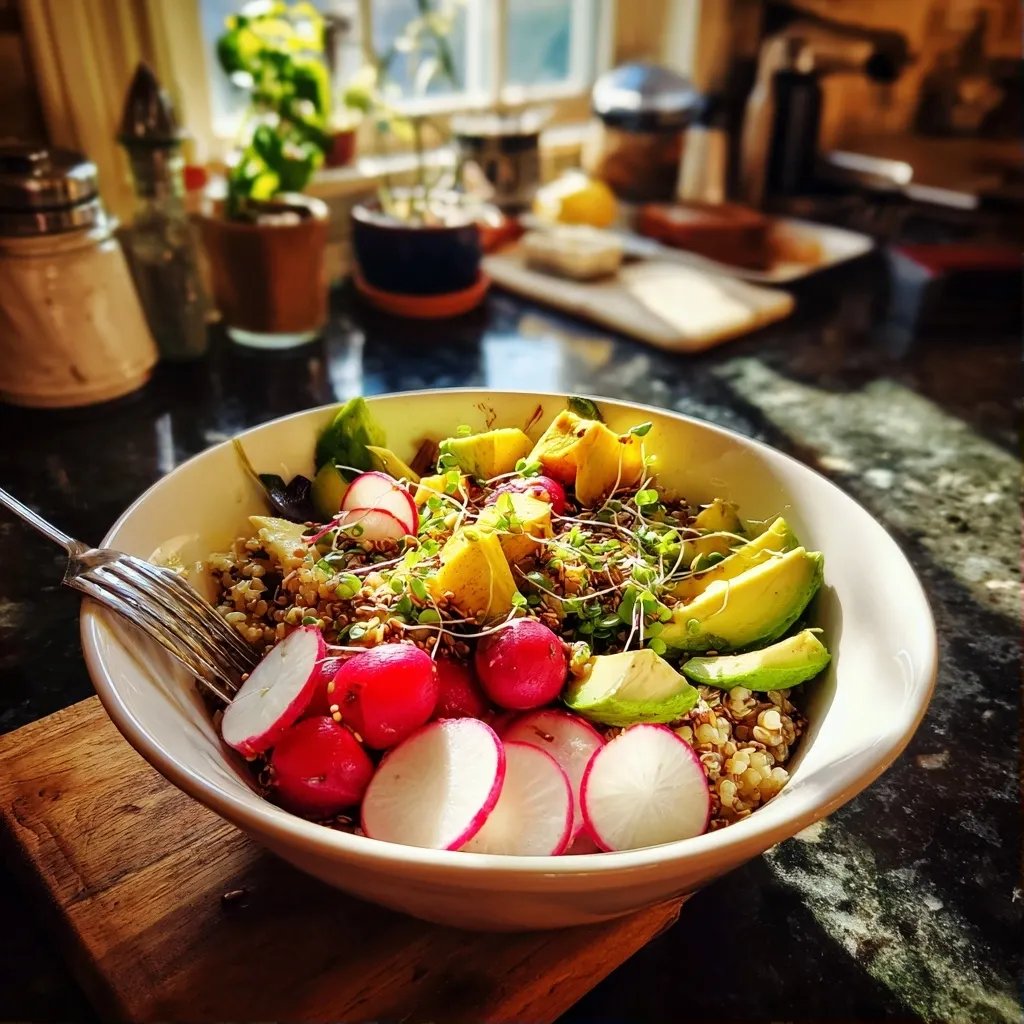
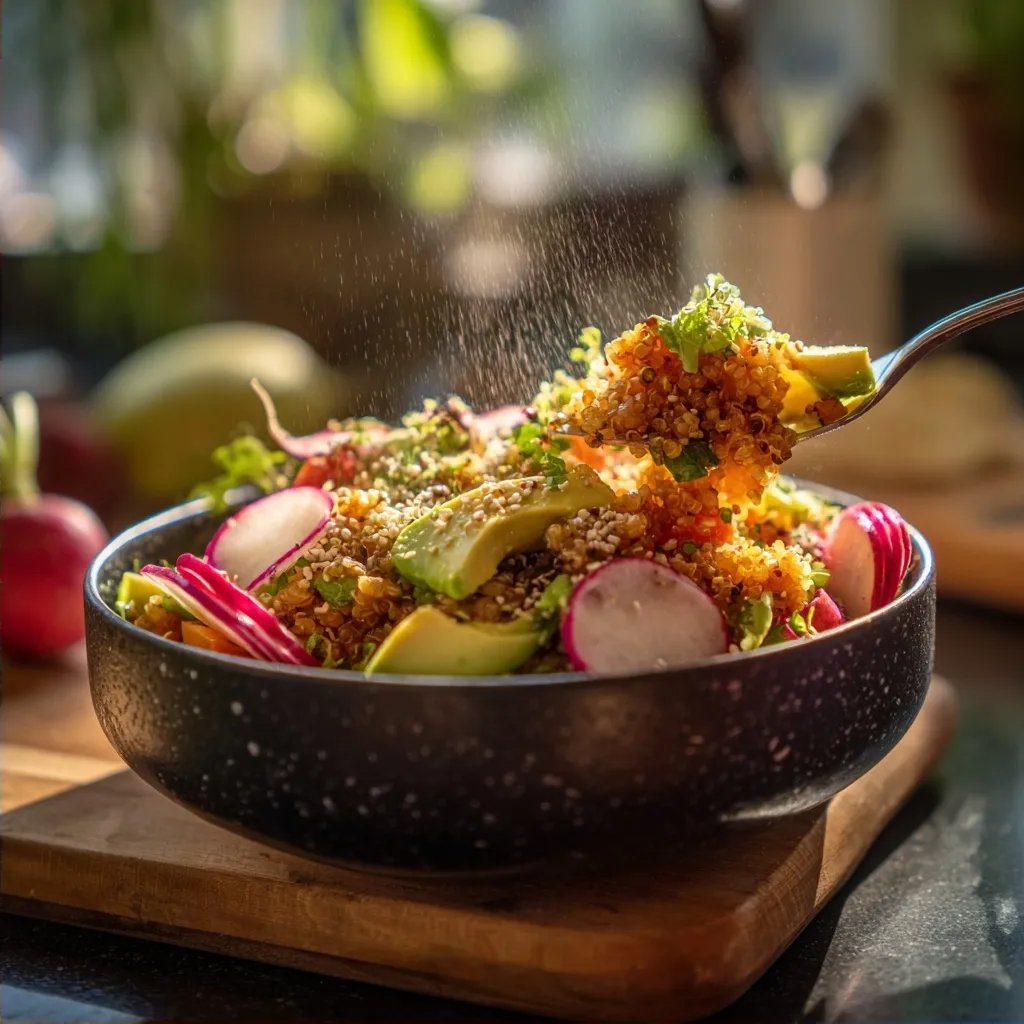
Ever find yourself staring at lunch leftovers and wondering what to do with them? That’s how this power grain bowl was born, from a mix of whatever I had lying around. It’s become my go-to for using up that half cup of quinoa or those sad little veggies from the fridge. The best part is that you can mix and match ingredients as you see fit, which means it’s pretty hard to mess up. You may even want to keep it simple and stick with just your favorites.
The Best Part
- You can use whatever grains and veggies you have on hand
- Makes a great lunch for meal prep
- Dress it up with your favorite sauce and it's never boring
What to Know Before Making Power Grain Bowl
This power grain bowl is all about flexibility, which is a lifesaver when you're trying to use up odds and ends in the fridge. You can easily swap out grains; if you're not feeling quinoa, try barley or even couscous. The same goes for vegetables—feel free to add or replace any veggies you have on hand. I often use whatever's in season or what's leftover from other meals, so don't stress about getting it just right.
The dressing can really change things up too. A simple vinaigrette, tahini dressing, or even a store-bought sauce can make a big difference in taste. I've found that a drizzle of lemon juice brightens everything up nicely, but may not be for everyone. Taste as you go, and don't be afraid to adjust based on what tickles your taste buds.
Ingredients
Gather up your favorite grains and assorted toppings. Here’s a basic list to get you started:
Grains and Base
- 1 cup cooked quinoa
- 1 cup cooked farro
- or 1 cup cooked brown rice
Toppings
- 1 cup roasted sweet potatoes, cubed
- 1 cup steamed broccoli florets
- 1/2 cup cherry tomatoes, halved
- 1/2 avocado, sliced
- 1/4 cup feta cheese, crumbled
- 1/4 cup hummus
- 1 tbsp olive oil
- Salt and pepper to taste
Feel free to switch this up based on your taste and what’s in season!
Instructions
Here’s how you can bring it all together:
Prepare the Grains
If you haven’t yet, cook your grains according to the package directions. Quinoa usually takes about 15 minutes while farro can take 30 minutes, so plan accordingly. I sometimes make a big batch so I have leftovers ready to go.
Roast Sweet Potatoes
Preheat your oven to 400°F (200°C). Toss the cubed sweet potatoes with a bit of olive oil, salt, and pepper. Spread them out on a sheet pan, then roast for about 20 minutes or until tender and lightly caramelized. Keep an eye on them to avoid burning.
Steam the Broccoli
While the sweet potatoes are roasting, steam your broccoli until bright and tender, usually about 5-7 minutes. You can totally use frozen broccoli, it works just as well.
Assemble the Bowl
In a bowl, layer your cooked grains as the base. Add on the roasted sweet potatoes, steamed broccoli, cherry tomatoes, and avocado slices. Sprinkle the feta cheese on top. Add a dollop of hummus and drizzle with a little olive oil for extra flavor.
Stir it together or keep it layered, whatever you prefer!
Scaling Power Grain Bowl for a Crowd
If you've got a gathering or want to meal prep for the week, scaling this recipe is so easy. Just make larger batches of the grains and vegetables. When cooking quinoa or farro, I often just double or triple the quantities. Just keep an eye on the cooking times, as they might vary a bit with larger batches.
For toppings, you could go family-style so everyone can choose what they like. Set out a variety of toppings in small bowls, from roasted veggies to different cheeses and sauces. It lets everyone customize their bowls without too much hassle. I love having a little of everything, so I make way more toppings than I actually need. The leftovers work great in sandwiches or as a quick side dish.
Questions About Recipes
→ Can I use canned beans instead of cooking grains?
Absolutely! Honestly, I skip cooking grains half the time and use canned beans instead for convenience.
→ Is there a good dressing for this bowl?
A simple lemon vinaigrette works great, or you could just use tahini sauce if you’ve got some. I like to keep it easy.
→ What else can I add in for protein?
You can throw in some chickpeas, grilled chicken, or even some tofu. I’ve done it all and love the variety!
Power Grain Bowl
What You'll Need
Grains and Base
- 1 cup cooked quinoa
- 1 cup cooked farro
- or 1 cup cooked brown rice
Toppings
- 1 cup roasted sweet potatoes, cubed
- 1 cup steamed broccoli florets
- 1/2 cup cherry tomatoes, halved
- 1/2 avocado, sliced
- 1/4 cup feta cheese, crumbled
- 1/4 cup hummus
- 1 tbsp olive oil
- Salt and pepper to taste
How-To Steps
If you haven’t yet, cook your grains according to the package directions. Quinoa usually takes about 15 minutes while farro can take 30 minutes, so plan accordingly. I sometimes make a big batch so I have leftovers ready to go.
Preheat your oven to 400°F (200°C). Toss the cubed sweet potatoes with a bit of olive oil, salt, and pepper. Spread them out on a sheet pan, then roast for about 20 minutes or until tender and lightly caramelized. Keep an eye on them to avoid burning.
While the sweet potatoes are roasting, steam your broccoli until bright and tender, usually about 5-7 minutes. You can totally use frozen broccoli, it works just as well.
In a bowl, layer your cooked grains as the base. Add on the roasted sweet potatoes, steamed broccoli, cherry tomatoes, and avocado slices. Sprinkle the feta cheese on top. Add a dollop of hummus and drizzle with a little olive oil for extra flavor.
Nutritional Breakdown (Per Serving)
- Calories (kcal): 423
- Total Fat (g): 16.2
- Saturated Fat (g): 3.7
- Cholesterol (mg): 15
- Sodium (mg): 412
- Total Carbohydrates (g): 56.1
- Dietary Fiber (g): 13.2
- Sugars (g): 4.5
- Protein (g): 13.8